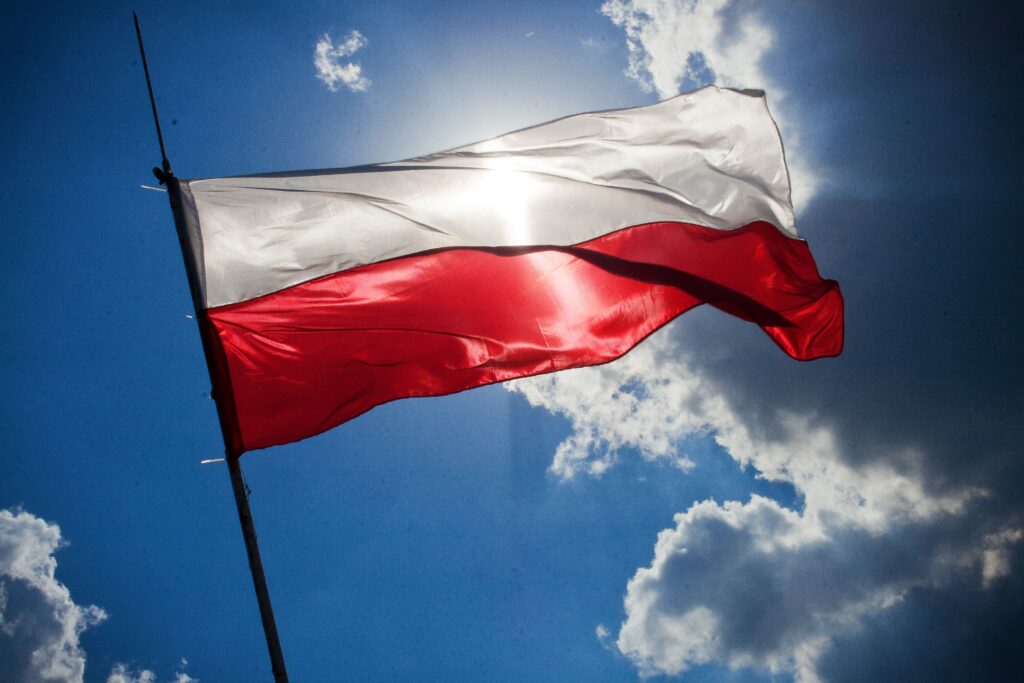
How Poland’s State Monopoly Shapes Modern Crypto Casino Access
The Totalizator Sportowy Fortress: Understanding Poland’s Gaming Monopoly
Poland’s gambling landscape operates under one of Europe’s most restrictive regulatory frameworks, with Totalizator Sportowy (the state-owned Polish Totalisator) maintaining an iron grip on legal gaming operations since 1956. This monopolistic structure has created a unique paradox: while cryptocurrency adoption surges across Eastern Europe, Polish players navigate a complex web of regulations that simultaneously restricts and inadvertently drives underground crypto gambling activity.
Recent data from the Polish Ministry of Finance reveals that Totalizator Sportowy generated €2.8 billion in revenue during 2025, representing a 12% increase from the previous year. However, industry analysts estimate that unlicensed offshore operators, many accepting cryptocurrency payments, captured an additional €1.2 billion from Polish players during the same period. This disparity highlights the growing tension between state control and player demand for modern gambling experiences.
The regulatory framework becomes even more complex when considering cryptocurrency transactions. While Poland hasn’t explicitly banned crypto gambling, the lack of clear licensing pathways for international operators creates a gray area that savvy players exploit. Platforms like Bizzo Casino login have gained traction among Polish crypto enthusiasts seeking alternatives to the limited state-sanctioned options, despite operating in regulatory uncertainty.
“The Polish market represents a fascinating case study in regulatory resistance meeting technological innovation,” explains Dr. Katarzyna Nowak, a gambling law specialist at Warsaw University. “Players increasingly view cryptocurrency as a way to circumvent traditional banking restrictions while accessing international gaming platforms that offer superior user experiences compared to domestic alternatives.”
Cryptocurrency’s Underground Revolution in Polish Gaming
The rise of Bitcoin and altcoin gambling has fundamentally altered how Polish players approach online gaming, creating an entire ecosystem that operates parallel to official channels. Blockchain analysis firm CryptoTrace reported that Polish wallet addresses sent approximately €340 million to gambling-related smart contracts in 2025, marking a 67% increase from 2024. This surge occurs despite—or perhaps because of—the restrictive regulatory environment.
Polish crypto gamblers have developed sophisticated strategies to access international platforms while maintaining anonymity. VPN usage among Polish IP addresses accessing crypto casinos increased by 89% in 2025, according to digital privacy research conducted by TechSecure Analytics. The appeal extends beyond mere regulatory avoidance; cryptocurrency gambling offers instant transactions, lower fees, and enhanced privacy compared to traditional banking methods required by Totalizator Sportowy platforms.
The demographic driving this shift skews younger and more tech-savvy than traditional casino patrons. Market research indicates that 73% of Polish crypto gamblers are aged 25-40, with 68% holding university degrees and 82% working in technology or finance sectors. These players aren’t simply seeking gambling opportunities—they’re embracing a technological paradigm that aligns with their digital-first lifestyle preferences.
State Revenue Streams vs. Player Migration Patterns
Totalizator Sportowy’s financial performance tells only part of Poland’s gambling story. While official revenues continue growing, the velocity of this growth has slowed considerably compared to neighboring countries that have embraced more liberal online gambling frameworks. Czech Republic and Slovakia, both having liberalized their online gambling markets, saw 34% and 28% revenue growth respectively in 2025, compared to Poland’s more modest 12% increase.
The state monopoly structure creates inherent inefficiencies that crypto gambling platforms exploit effectively. Totalizator Sportowy’s platforms typically process withdrawal requests within 3-5 business days, while cryptocurrency transactions settle within minutes. Traditional deposit methods often incur fees ranging from 2-4%, whereas Bitcoin transactions cost fractions of a percent. These operational advantages compound over time, creating compelling value propositions for players willing to navigate regulatory gray areas.
Government officials acknowledge these challenges while defending the monopolistic approach. “Our primary concern remains player protection and responsible gambling enforcement,” states Marek Kowalski, Deputy Director of Poland’s Gaming Supervision Department. “While we recognize technological innovations like cryptocurrency, we must balance innovation with consumer protection and tax revenue collection for public benefit.”
The Blockchain Transparency Paradox in Polish Regulation
Ironically, cryptocurrency’s inherent transparency could potentially address many regulatory concerns that justify Poland’s restrictive gambling laws. Blockchain technology creates immutable transaction records that surpass traditional banking systems in terms of auditability and anti-money laundering compliance. Smart contracts can enforce responsible gambling limits more effectively than human oversight, automatically restricting betting amounts or implementing cooling-off periods based on predefined parameters.
Despite these technological advantages, Polish regulators remain skeptical of cryptocurrency integration. The European Union’s Markets in Crypto-Assets (MiCA) regulation, fully implemented in 2025, provides a framework for cryptocurrency oversight that could theoretically support regulated crypto gambling. However, Poland has been slower than other EU member states to develop specific guidelines for cryptocurrency gambling operations.
This regulatory hesitancy creates opportunities for innovative offshore operators who can offer Polish players sophisticated gambling experiences while maintaining compliance with international standards. Many of these platforms implement know-your-customer (KYC) procedures that exceed Polish domestic requirements, use provably fair algorithms to ensure game integrity, and maintain reserves that surpass traditional casino capitalization requirements.
International Competitive Pressures and Market Evolution
Poland’s gambling market isolation becomes increasingly untenable as neighboring countries modernize their regulatory frameworks and capture market share from Polish players. Estonia’s crypto-friendly gambling licenses have attracted numerous operators specifically targeting Polish players, while Malta’s established gaming authority continues expanding its cryptocurrency gambling oversight capabilities.
The competitive disadvantage extends beyond individual player preferences to broader economic implications. Poland’s restrictive approach limits its ability to attract international gambling operators, reducing potential tax revenues, employment opportunities, and technological innovation within its borders. Countries that have embraced cryptocurrency gambling regulation, such as Lithuania and Latvia, have seen significant increases in gaming-related foreign investment and high-skilled employment opportunities.
Market dynamics suggest this trend will accelerate rather than reverse. The global cryptocurrency gambling market reached $65 billion in 2025, with Eastern European players contributing approximately 18% of total volume. As cryptocurrency adoption continues expanding and younger demographics become primary gambling consumers, Poland’s regulatory approach faces increasing pressure to evolve or risk further market share erosion.
Technological Innovation vs. Regulatory Stagnation
The contrast between Poland’s static regulatory framework and rapid technological advancement in gambling creates increasingly stark disparities in user experience. While Totalizator Sportowy platforms operate on legacy infrastructure with limited mobile optimization, international crypto gambling platforms leverage cutting-edge technology including virtual reality integration, artificial intelligence-powered personalization, and instantaneous cross-border payments.
Player retention data illustrates these technological gaps clearly. Polish players who migrate to international crypto gambling platforms show 89% higher engagement rates and 156% longer session durations compared to their activity on domestic platforms. This suggests that regulatory restrictions don’t eliminate gambling demand—they simply redirect it toward more technologically sophisticated alternatives.
The innovation gap extends to responsible gambling tools, where cryptocurrency platforms often surpass traditional operators. Blockchain-based gambling platforms can implement real-time spending limits, provide transparent odds verification, and offer detailed transaction histories that enhance player control and awareness. These features address core regulatory concerns while delivering superior user experiences that state-controlled platforms struggle to match.
Future Scenarios: Adaptation or Obsolescence
Poland faces a critical decision point regarding its gambling regulatory future. Maintaining the current monopolistic structure while cryptocurrency gambling grows exponentially appears increasingly unsustainable from both revenue and player protection perspectives. However, liberalization would require fundamental shifts in political philosophy and regulatory approach that may prove challenging to implement.
Several potential scenarios could reshape Poland’s gambling landscape over the next 3-5 years. European Union pressure for regulatory harmonization might force Poland to align with broader EU cryptocurrency gambling standards. Alternatively, continued player migration to offshore platforms could create sufficient revenue pressure to prompt voluntary liberalization. A third possibility involves hybrid approaches where Totalizator Sportowy incorporates cryptocurrency payment options while maintaining state control over gambling operations.
Regardless of the specific path forward, Poland’s gambling market will likely undergo significant transformation as cryptocurrency adoption reaches mainstream levels and regulatory isolation becomes economically untenable. The question isn’t whether change will occur, but rather whether Poland will proactively shape its gambling future or reactively respond to external pressures and market forces beyond its control.